

Overview
The Rise of Cable Ducts and Cable Tray Systems in Modern Electrical Infrastructure
The Transformation of Cabling Infrastructure in the Construction and Industry Sector
With the rapid development of technology, the electrical infrastructures of modern buildings and industrial facilities are becoming increasingly complex each year. This complexity arises not only from the increase in power cables but also from the proliferation of automation, data, communication, and control cables. Hundreds of meters, even kilometers, of cables are used in today's buildings. Therefore, professional transport solutions are needed to ensure that cables can be carried in an orderly, safe, and trouble-free manner for many years. At this point, modern solutions such as cable ducts, cable trays, cable transport systems, Metal Cable Trays, and Metal Cable Ducts come into play.
Order in electrical infrastructure is not only an aesthetic element but also a critical necessity for occupational safety. Leaving cables scattered in the environment leads to many problems, from fire risks to mechanical damage, from shortened cable life to maintenance difficulties. Therefore, cable transport systems have now become standard in professional projects.
What is a Cable Duct and Why is it Essential in Modern Buildings?
cable duct is a closed or semi-closed carrier system used for the safe and orderly transport of cables, which can be produced from metal or different materials. Cable ducts protect cables from external influences, provide load-bearing capacity, and also offer accessibility during maintenance.
The types of cables used in modern buildings are no longer limited to power cables. There are many different categories, including fiber optic cables, data cables, communication lines, automation cables, and more. Since each requires different sensitivities, using a professional transport solution is essential.
The most significant advantage of cable ducts is the secure protection of cables within a closed structure. This closed structure minimizes risks such as dust, external impacts, moisture, rodent damage, or UV rays. Cable ducts are one of the fundamental elements of infrastructure for all types of buildings, from office buildings to shopping malls, factories to hospitals.
The Role of Cable Tray Systems in Industrial Projects
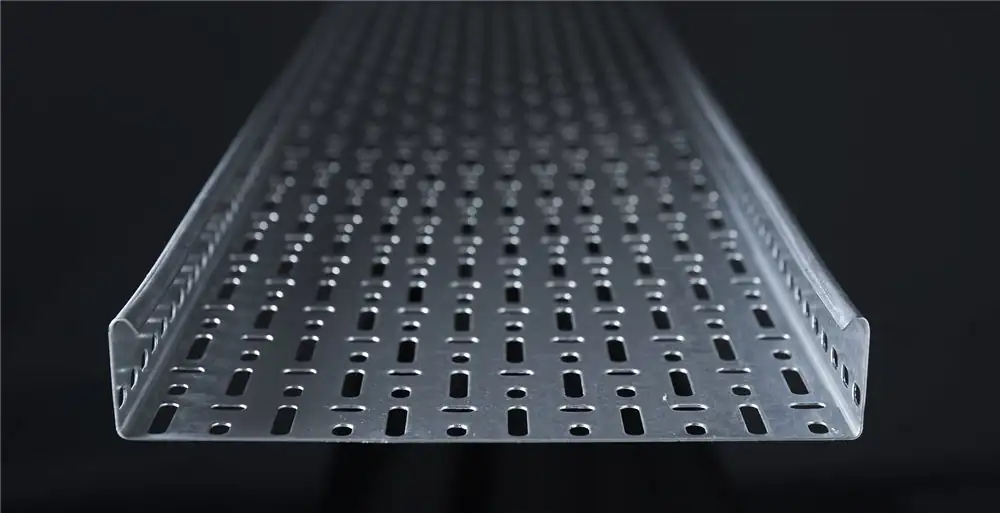
Cable tray systems are carrier systems with perforated, solid, or ladder designs that provide both the transport and support of cables. They are the most preferred solution for transporting cables horizontally in industrial facilities.
The open structure of cable trays allows cables to ventilate, preventing heat accumulation. This situation enhances the performance and extends the life of the cables. Additionally, the open structure of the tray provides significant advantages during cable addition, maintenance, and organization processes.
Cable trays, which have a wide range of applications from power plants to factories, and from production lines to chemical plants, allow thousands of meters of cables to be transported in an orderly manner along the same route due to their large internal volumes.
Cable Transport Systems: The Backbone of Modern Infrastructure
cable transport systems consist of a wide system that includes cable trays, cable ducts, support systems, connection equipment, and modular elements. These systems form the backbone of a project's electrical infrastructure and ensure that cables reach every point of the building safely.
One of the most important advantages of modern cable transport systems is the high flexibility they offer. There are hundreds of different connection elements for operations such as changing direction, vertical exit, floor transition, wall turn, and cable separation in projects. Thanks to this modular structure, cables are laid in an orderly, safe, and standard-compliant manner even in the most complex facilities.
The contributions of cable transport systems in terms of performance, safety, and aesthetics have become indispensable today. Especially in large projects, it is impossible to create an electrical infrastructure without cable transport systems.
Superior Features of Metal Cable Tray Systems
Metal Cable Tray systems are strong and long-lasting carrier systems used in facilities that require high durability. Metal trays are produced from materials such as galvanized steel, stainless steel, or aluminum. This allows them to easily carry heavy cables, withstand high temperatures, and provide resistance against external factors.
The weight of power cables in industrial facilities is quite high. Additionally, cables may be exposed to adverse conditions such as high temperatures, chemical vapors, or moisture. Therefore, the use of metal trays is not a choice but a necessity.
The surface coating techniques of metal trays play a critical role in long-term durability. Hot-dip galvanizing prevents rusting for years in outdoor conditions, while stainless steel options provide superior durability even in chemical plants.
The Contribution of Metal Cable Duct Systems to Buildings
Metal Cable Duct systems are extremely durable transport solutions that enable the transport of cables within a closed or semi-closed structure. These ducts are preferred in situations where mechanical impacts are intense, and the safety of cables must be maintained at the highest level.
The covered structure of metal cable ducts prevents cables from being visible from the outside. This is important both aesthetically and for safety. The use of metal ducts is common in buildings with high human traffic, such as hospitals, airports, schools, shopping malls, and modern office buildings.
Additionally, their high fire resistance distinguishes metal cable ducts from other carrier solutions. These ducts provide critical protection to ensure that cables can continue to function for a certain period during a fire.
The Use of Cable Transport Systems in Industrial Buildings
In industrial buildings, cables do not only carry electricity. Hundreds of different cables are used for automation systems, control panels, robotic systems, communication networks, and sensor systems. To transport these cables in an orderly manner, cable transport systems are the most suitable solution.
As the production volume of factories increases, the quantity of cables also rises, making the capacity of the cable transport system critical. Metal trays and metal ducts meet this capacity without any issues.
Cable transport systems in industrial buildings are also important for occupational safety. Cables lying on the floor can cause workplace accidents. Transport systems placed on ceilings or walls ensure safety and facilitate maintenance processes.
The Importance of Modular Structure in Cable Ducts and Cable Trays
During the cabling of a project, changes in direction, cross transitions, ascents, and descents frequently occur. Therefore, the modularity of cable ducts and cable trays systems is essential.
Thanks to the modular structure, it is possible for a line to continue for meters in length. Special parts are available for every angle, turn, or vertical movement needed. This not only speeds up installation but also raises the standard of engineering projects.
Another significant advantage provided by the modular system is ease of maintenance. When a fault or change is needed in the cables, covers can be easily opened, and cables become accessible without any issues.
Superior Performance of Metal Cable Trays in Projects Requiring High Durability
In projects with heavy cable loads, using Metal Cable Tray is inevitable. Metal trays are essential in environments such as power plants, refineries, cement factories, steel production facilities, and petrochemical plants.
In these environments, chemical vapors, temperature fluctuations, moisture, and mechanical vibrations are prevalent. The strong structure of metal trays withstands these conditions perfectly. Additionally, ladder-type models ensure the safe transport of even very heavy power cables.
Aesthetic and Safe Cabling with Metal Cable Ducts
Metal Cable Duct is also preferred as an aesthetic solution in modern architecture, where open ceiling decoration has become widespread. Ducts can be coated with electrostatic paint in different colors, allowing them to match the design of the space.
In offices with an open ceiling concept, metal ducts remain visible. This helps the space gain an industrial-modern atmosphere. It is frequently preferred by architects because it offers both an aesthetic and functional solution.
The Advantages of Cable Transport Systems in Project Management
Timing is crucial in electrical infrastructure projects. Thanks to cable transport systems, installation times are significantly shortened. Trays and ducts are quickly installed, the cable laying process accelerates, and projects are completed in a shorter time.
Moreover, since transport systems standardize cable arrangement, the engineering calculations made in the project become more reliable. Easy access to cables is provided during fault detection, maintenance, and testing processes.
Conclusion: Cable Ducts and Cable Transport Systems are Indispensable in Modern Buildings
To ensure that electrical infrastructure is safe, orderly, durable, and long-lasting, solutions such as cable ducts, cable trays, cable transport systems, Metal Cable Trays, and Metal Cable Ducts are essential today. These systems are the most critical components of projects in industrial facilities, modern buildings, and high-tech infrastructures.
Properly transporting cables is crucial not only for safety but also for performance and durability. In professional projects, these solutions have become standard, and as technology increases in the future, the need will grow even more.


